
Performance Lab Physio
Knee Trauma (ACL injury)
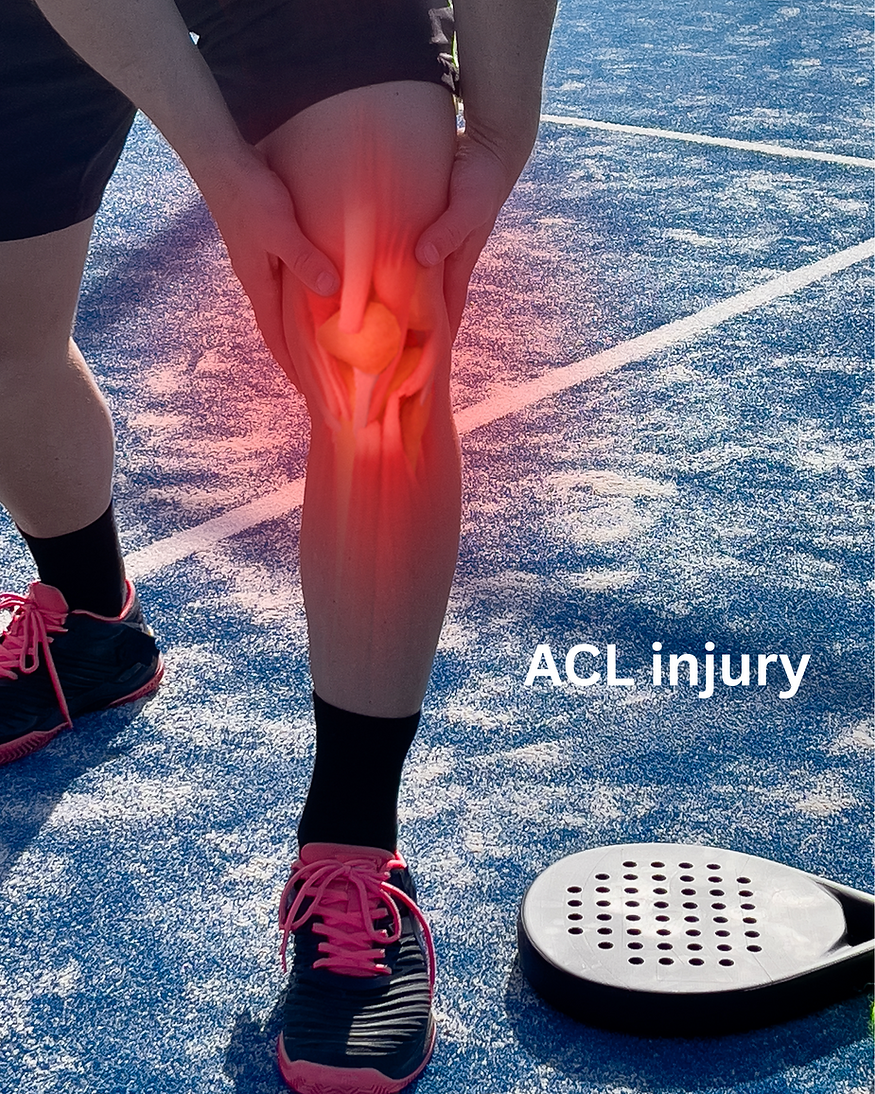
What is it?
The anterior cruciate ligament (ACL) is one of the four major ligaments inside the knee and plays a crucial role in keeping the joint stable. It prevents the shin bone from sliding too far forward and helps control twisting and turning movements. ACL injuries are most common in sports that involve sudden stops, pivots, or changes of direction — such as football, rugby, basketball, and netball — but they can also happen in everyday life through slips, trips, or awkward landings.
When the ACL is injured, people often describe hearing or feeling a “pop” in the knee, followed by swelling, pain, and a sense that the knee wants to “give way.” Some injuries are partial tears, while others are complete ruptures. Either way, an ACL injury can have a big impact on confidence, daily function, and the ability to stay active. Because the ACL doesn’t heal on its own in the same way as other tissues, recovery requires a carefully structured rehabilitation plan, whether or not surgery is needed.


What Physio Can do to Help
Physiotherapy is the cornerstone of ACL rehabilitation. Whether you are managing your injury without surgery, preparing for an operation, or recovering afterwards, structured physiotherapy is proven to be the most effective way to restore function. At The Performance Lab, we tailor your rehabilitation to your specific needs, goals, and stage of recovery.
In the early phase, physiotherapy focuses on reducing swelling, restoring knee movement, and regaining muscle control. As you progress, we introduce targeted strength training, balance exercises, and functional drills that retrain your movement patterns and protect the knee from further injury. Later stages include sport-specific conditioning, agility work, and return-to-play testing — ensuring your knee is not just pain-free, but truly ready to handle the demands of your sport or daily life.
We also recognise the psychological side of ACL recovery. It’s normal to feel anxious about re-injury or losing performance. Our physiotherapists provide reassurance, education, and ongoing support to help you rebuild confidence as well as physical strength. With the right guidance and commitment, many people return not only to their previous level of activity but often stronger and more resilient than before.
Why Choose Performance Lab Physio
Recovering from an ACL injury can be one of the biggest challenges you’ll face, so it’s important to have the very best support. At The Performance Lab, you’ll be treated by clinicians who are ACL experts with years of experience working at the highest level of sport and orthopaedics. Our physiotherapists have managed hundreds of ACL and complex knee trauma patients in specialist clinics, giving them unrivalled insight into what works — and what doesn’t — at every stage of recovery.
What sets us apart is our combination of world-class expertise and personalised care. We don’t believe in generic rehab plans or “cookie-cutter” exercise sheets. Instead, we take time to understand your lifestyle, your sporting goals, and your individual challenges, building a programme that is specific to you. Our close links with orthopaedic surgeons and leading researchers mean we’re always up to date with the latest evidence-based techniques, while our advanced facilities allow us to measure and track your progress with precision.
Whether you’re an athlete determined to return to competition, a weekend warrior keen to get back on the pitch, or someone who just wants to feel confident walking, climbing stairs, or playing with your children again, we provide the same standard of care trusted by elite performers. Choosing The Performance Lab means placing your recovery in the hands of experts who are passionate about helping you succeed.

FAQ's
What are the first signs of an ACL injury?
People often describe a “pop” or sudden giving way of the knee, followed quickly by swelling, pain, and difficulty putting weight through the leg. Later on, the knee may feel unstable during twisting or turning movements.
Do I need a scan or MRI to confirm an ACL injury?
A good physiotherapy assessment can usually identify an ACL injury. An MRI scan may be recommended to confirm the diagnosis, check the extent of the injury, and look for other issues inside the knee, such as cartilage or meniscus damage.
How can physiotherapy help my ACL?
Physiotherapy is essential whether you have surgery or not. We focus on reducing swelling, restoring movement, and then guiding you through a structured strength and rehab programme. This rebuilds your stability, helps you regain confidence, and prepares you for sport or daily life.
Will I need surgery?
Not always. Some people can return to full activity without surgery if they complete a structured rehab programme. Others — especially those playing pivoting sports like football or netball — may need surgery to fully restore stability. Your physiotherapist and consultant will help guide this decision.
How long will recovery take?
Recovery from an ACL injury is a marathon, not a sprint. Most people need 9–18 months of structured rehabilitation before safely returning to sport, but many notice improvements in pain, swelling, and function within the first few weeks of treatment.
Will I have to stop being active?
No — in fact, staying active is vital for recovery. We’ll guide you on safe activities and exercises from day one, gradually progressing towards the movements and sports you want to return to.
Why choose The Performance Lab for ACL rehab?
Our team includes ACL specialists with years of experience treating hundreds of knee trauma patients in expert clinics and working at the highest level of sport. You’ll benefit from world-class rehab tailored to you, with the same standard of care trusted by elite athletes and orthopaedic specialists.