
Performance Lab Physio
Anterior Knee Pain (Runners knee)

What is it?
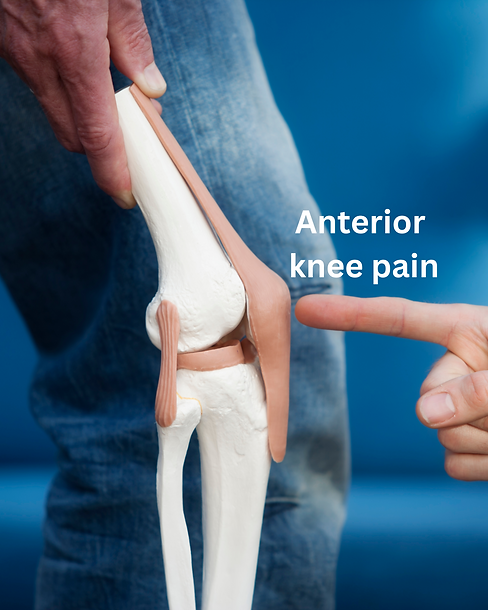
Anterior knee pain — sometimes called runner’s knee or patellofemoral pain — is one of the most common knee conditions seen in both athletes and the general population. It describes pain felt at the front of the knee, usually around or behind the kneecap (patella). The pain often comes on gradually and is linked to how the kneecap moves and how the surrounding muscles and joints cope with load.
Typical symptoms include aching, sharp pain, or a “grinding” sensation when running, climbing stairs, squatting, kneeling, or even sitting for long periods with your knees bent (sometimes called the “theatre sign”). For some, the discomfort is mild but persistent, while for others it can stop them from enjoying sport, exercise, or even normal daily activities. Although the condition can feel stubborn and frustrating, the important thing to know is that anterior knee pain rarely causes long-term damage and responds very well to the right rehabilitation.

What Physio Can do to Help
Physiotherapy is the gold-standard treatment for runner’s knee. At The Performance Lab, we begin with a detailed assessment of how your knee moves, but we also look at your hips, feet, and overall movement patterns. This is because anterior knee pain is often influenced by factors such as muscle weakness, poor movement control, reduced flexibility, or a sudden increase in training load.
Your treatment will be individually tailored to address the factors driving your pain. This usually involves a structured exercise programme to strengthen your quadriceps, hips, and gluteal muscles, which improves how the kneecap tracks and how your body absorbs impact. We also work on mobility and flexibility where needed, retrain your movement patterns (e.g. how you squat, run, or land from a jump), and give you clear guidance on footwear, activity modification, and pacing your return to sport.
For runners, this may include gradual return-to-running programmes and video gait analysis to fine-tune technique. For others, it might mean building confidence in everyday movements like kneeling, climbing stairs, or squatting at work. With the right approach, physiotherapy not only relieves pain but also makes your knee more resilient, helping to prevent flare-ups in the future.
Why Choose Performance Lab Physio
At The Performance Lab, we have specialists who have treated hundreds of cases of anterior knee pain, from elite athletes to people struggling with daily tasks. Our clinicians have years of experience working in advanced knee trauma clinics and sports medicine settings, giving us a deep understanding of the full spectrum of knee problems.
What makes us different is the way we combine world-class expertise with a personalised, patient-centred approach. We don’t just hand out generic exercise sheets; we create a rehab plan built around your life, your sport, and your goals. Our close links with leading researchers and sports clinicians mean we are always up to date with the latest evidence, while our advanced testing and rehab facilities allow us to measure and track your progress with precision.
Whether you’re a runner wanting to get back to pain-free miles, a footballer or netballer aiming to play without restriction, or simply someone who wants to walk up stairs, kneel, or exercise with confidence, we provide the same level of care trusted by elite performers. Choosing The Performance Lab means placing your recovery in the hands of true knee experts who will support you every step of the way.

FAQ's
What are the first signs of anterior knee pain?
Common symptoms include aching or sharp pain at the front of the knee, especially when running, squatting, climbing stairs, kneeling, or sitting for long periods. Some people also notice grinding, clicking, or a feeling that the kneecap doesn’t move smoothly.
Do I need a scan or X-ray to confirm anterior knee pain?
Usually not. A thorough physiotherapy assessment can diagnose anterior knee pain without the need for scans. Imaging is only needed if your physiotherapist or GP suspects another underlying issue.
How can physiotherapy help my anterior knee pain?
Physiotherapy helps by targeting the root causes of your pain. We use tailored strengthening exercises, mobility work, and movement retraining, alongside practical advice on footwear, pacing, and training loads. This reduces pain, improves function, and prevents recurrence.
How long will it take to feel better?
Recovery times vary, but many people notice improvements within 6–8 weeks of consistent physiotherapy. More complex or long-standing cases can take several months, but with structured rehab most people make a strong recovery.
Will I need to stop running or exercising?
Not usually. In fact, staying active is important. We’ll help you adjust your activity levels, modify training loads, and build up gradually so you can keep moving while your knee recovers.
Why choose The Performance Lab for anterior knee pain?
Our clinicians are knee experts with years of experience treating anterior knee pain in both high-level athletes and everyday patients. We use cutting-edge rehab techniques, access to world-leading research, and a personalised approach to give you the best chance of returning to pain-free activity.