
Performance Lab Physio
Lateral Hip Pain - Outside hip pain

What is it?
Lateral hip pain is soreness or aching felt on the outside of your hip, over the bony area on the side. It’s often called trochanteric bursitis, but in most people it’s actually linked to the gluteal tendons – the muscles that help support and move your hip.
You might notice pain when walking, climbing stairs, standing up from a chair or lying on your side at night. The area can also feel tender to touch.

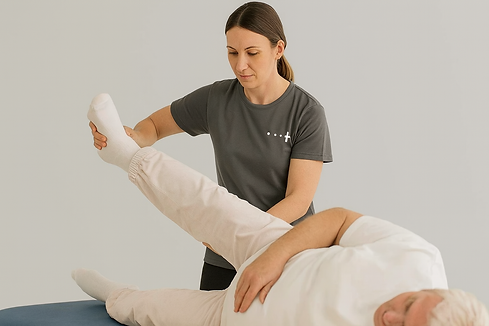
What Physio Can do to Help
We focus on calming symptoms and improving how the hip is loaded day to day.
-
Thorough assessment: We check hip strength, tendon irritability, movement patterns, and how your back, pelvis and feet contribute.
-
Load management: Clear guidance on positions and activities that settle the tendon (e.g., how to lie comfortably, stride length tweaks, hill/step management).
-
Targeted exercise: Progressively loaded strength work for the gluteal muscles and supporting areas (core, pelvis), plus mobility where useful.
-
Hands-on treatment: As appropriate, to ease surrounding tightness and help you move better.
-
Education & flare-up strategies: Simple steps to reduce night pain, manage longer walks, and prevent recurrences.
With the right plan, most people experience less pain, better walking tolerance, and easier side-lying within weeks.
Why Choose Performance Lab Physio
At Performance Lab Physio, we know outside-hip pain can make simple things—like sleeping on your side, climbing stairs or enjoying a walk—much harder. We look beyond just the sore spot.
-
45-minute first appointment: We assess your hip, gait, posture, strength and flexibility to find the real drivers of your pain.
-
Expert team: Our physiotherapists in Blackburn and Burnley each have 10+ years’ specialist experience treating muscle, bone and joint problems, including gluteal tendon pain.
-
Clear, tailored plans: Evidence-based exercise programmes, practical day-to-day advice, and hands-on care when helpful.
-
Long-term results: We aim to get you comfortable now and confident managing your hip for the future.

FAQ's
Is it really bursitis?
Sometimes—but more commonly it’s gluteal tendon irritation (often called Greater Trochanteric Pain Syndrome). We’ll assess which structures are involved and treat accordingly.
Why does it hurt more at night or when I lie on my side?
Direct pressure and certain positions can compress an irritable tendon/bursa. We’ll show you comfortable sleep positions and ways to reduce compression.
Do I need a scan?
Usually not. A good assessment often gives us enough information. Scans are considered if symptoms don’t progress as expected or if there are red flags.
Should I stop walking or exercising?
Not necessarily. Completely resting can slow recovery. We’ll help you modify distance, pace, terrain and exercises so you keep moving without flaring the tendon.
How long will it take to feel better?
Tendons often need a combination of removing the activities that irritate them whilst also adding progressive load. Recovery tim eoften depends how long you have had the problem. People can improve over a few weeks, but full strength and resilience can take longer. We’ll give you a realistic timeline and milestones.
Will injections help?
Some people benefit, particularly if pain is highly irritable. We prioritise exercise and load management first, and can discuss guided injection options if appropriate.
What should I bring to my first appointment?
Comfortable clothing to move in, any scan or test results (if you have them), and a list of medications. Think about key activities or positions that aggravate your pain.